
Me and U-2: My Affair With Dragon Lady
by TSgt. Glenn R. Chapman, USAF (Ret)
(biography)
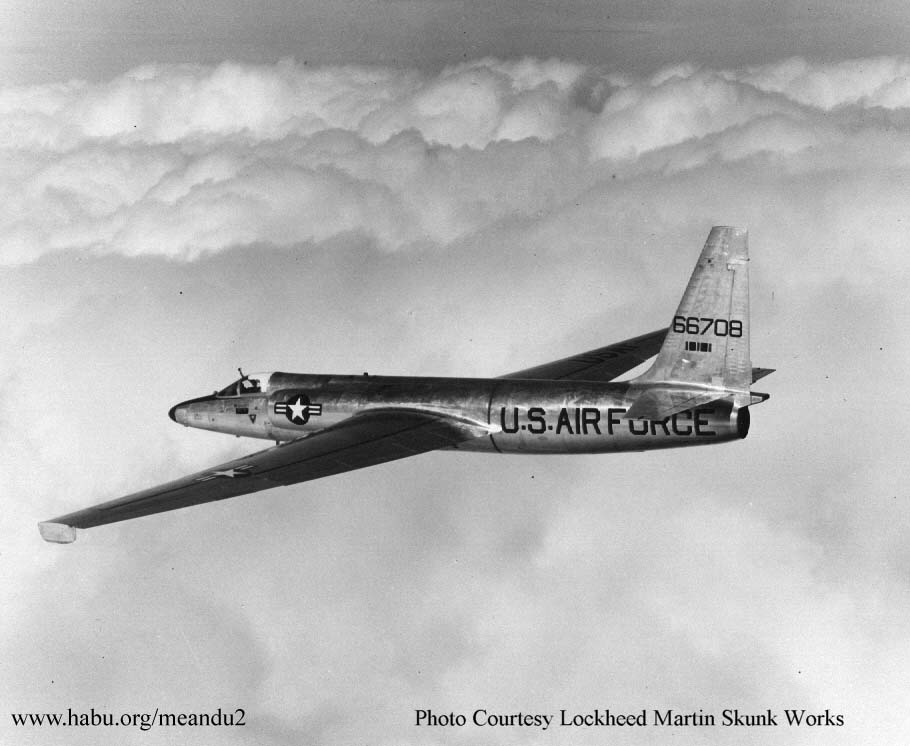 Me and U-2: My Affair With Dragon Lady describes the time from
1958 to 1966 that I worked on the U-2 as a young Air Force camera repairman
with Strategic Air Command's 4080th Strategic Reconnaissance Wing (Light).
The 4080th was the first Air Force unit to fly this unique, mysterious, and
now-historic airplane operationally as "Project Dragon Lady." It was designed
by a small cadre of wizards led by an aeronautical genius known as Clarence
L. "Kelly" Johnson at Lockheed Aircraft Company's "Skunk Works." The U-2 was
originally designed for the Central Intelligence Agency as an espionage
aircraft to gather photographic intelligence over the Soviet Union. However,
the Air Force found the U-2 to be a perfect airplane for peripheral rather
than direct espionage missions over denied areas. The first use of the U-2
with the Air Force's 4080th SRW was for upper air weather sampling and domestic
reconnaissance research missions. In 1962 the 4080th used both Air Force and
CIA U-2s during the Cuban Missile Crisis and were the first to find Soviet
offensive weapons on that island a short ninety miles from the United States.
It went on to cover other "hot spots" such as Vietnam, the Middle East, and other
highly volatile areas. Today, second- and third-generation U-2s are the primary
air-breathing intelligence gathering aircraft since the unfortunate grounding of
another of Kelly's fabulous designs, the SR-71 Blackbird.
Me and U-2: My Affair With Dragon Lady describes the time from
1958 to 1966 that I worked on the U-2 as a young Air Force camera repairman
with Strategic Air Command's 4080th Strategic Reconnaissance Wing (Light).
The 4080th was the first Air Force unit to fly this unique, mysterious, and
now-historic airplane operationally as "Project Dragon Lady." It was designed
by a small cadre of wizards led by an aeronautical genius known as Clarence
L. "Kelly" Johnson at Lockheed Aircraft Company's "Skunk Works." The U-2 was
originally designed for the Central Intelligence Agency as an espionage
aircraft to gather photographic intelligence over the Soviet Union. However,
the Air Force found the U-2 to be a perfect airplane for peripheral rather
than direct espionage missions over denied areas. The first use of the U-2
with the Air Force's 4080th SRW was for upper air weather sampling and domestic
reconnaissance research missions. In 1962 the 4080th used both Air Force and
CIA U-2s during the Cuban Missile Crisis and were the first to find Soviet
offensive weapons on that island a short ninety miles from the United States.
It went on to cover other "hot spots" such as Vietnam, the Middle East, and other
highly volatile areas. Today, second- and third-generation U-2s are the primary
air-breathing intelligence gathering aircraft since the unfortunate grounding of
another of Kelly's fabulous designs, the SR-71 Blackbird.
 Book I begins with "Espionage---The Art of Military Intelligence" which provides
an overall description of the evolvement of espionage throughout the ages. "Black Knight"
is a chapter that talks about the little-known Martin RB-57D long-winged reconnaissance
airplane that was used in the interim while the U-2 was being designed and built.
"Dragon Lady---The Dream" describes how and why the U-2 was developed in the first place
and the problems Kelly Johnson and his people had to solve to make it real.
"Dragon Lady---The Reality" tells how the U-2 was finally built and ends with her first flight.
"Eyes and Ears of Dragon Lady" gives an in-depth description of the intelligence gathering
equipment that would eventually be flown in the U-2. "Dragon Lady and the CIA" and
"Dragon Lady Joins the Air Force" are chapters that tell how the CIA and, later, the Air
Force came to fly the U-2 operationally. "Mishap" relates the unfortunate downing of Francis
Gary Powers over the Soviet Union in 1960, thereby bringing to a close the CIA flights over
the Soviet Union.
Book I begins with "Espionage---The Art of Military Intelligence" which provides
an overall description of the evolvement of espionage throughout the ages. "Black Knight"
is a chapter that talks about the little-known Martin RB-57D long-winged reconnaissance
airplane that was used in the interim while the U-2 was being designed and built.
"Dragon Lady---The Dream" describes how and why the U-2 was developed in the first place
and the problems Kelly Johnson and his people had to solve to make it real.
"Dragon Lady---The Reality" tells how the U-2 was finally built and ends with her first flight.
"Eyes and Ears of Dragon Lady" gives an in-depth description of the intelligence gathering
equipment that would eventually be flown in the U-2. "Dragon Lady and the CIA" and
"Dragon Lady Joins the Air Force" are chapters that tell how the CIA and, later, the Air
Force came to fly the U-2 operationally. "Mishap" relates the unfortunate downing of Francis
Gary Powers over the Soviet Union in 1960, thereby bringing to a close the CIA flights over
the Soviet Union.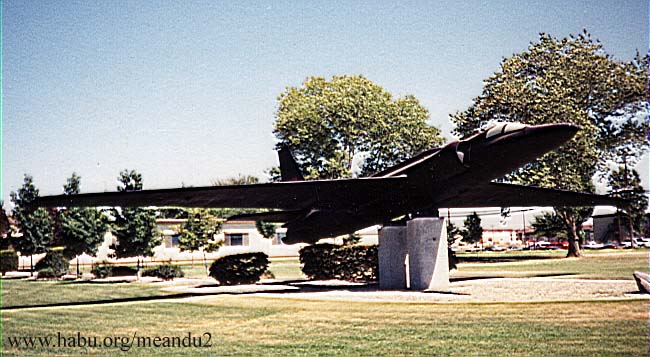 Book III begins with a chapter titled "The Mother of All Myths." It tells how, when
somebody thought they learned something about the U-2 that they believed to be true that was,
in fact, NOT true, believed every word they heard. Also, it describes how we Dragons of Project
Dragon Lady invented "facts" that were not true so that the truth could be kept undercover.
It is also the basis for all the other chapters in Book III. "Crowflight and El Loco Oscar"
outlines the first operation the Air Force U-2s had, that of upper air sampling for detection
of radioactive particles left from fallout from nuclear weapons testing. "Delta Dragon"
describes an episode when a few other Dragons and I misled a non-project "know-it-all" into
believing that the U-2 could be outfitted with a delta wing and converted overnight into a
supersonic fighter. We also went on to tell him the top secret (at that time) reason we were
at the base, which was weather sampling, and he would not believe it. "The Grey Ghost Turns
Black" is a story about U-2 #66681 and how it was painted black for only one flight and what
the repercussions of that flight were for us. "Yellow Moon" is a story about how and why it
took the 4080th one year to get a mission that was scheduled for only one flight. "Airman
Collins and the Missing Dragon Lady" is about the loss of U-2 #66683 in 1963 in which Captain
Joe Hyde tragically became the second casualty of the Cuban Crisis, although the actual crisis
had ended in October 1962. "The Case of the Missing Glockenspiel" tells how a U-2 flew once
without enough ballast to stay airborne, but managed to do so and how the flight was resolved.
"Oscar Down Under" talks about the U-2 sampling program that was flown for about five years
from Australia. "Captain Bull's Famous Flight" is dedicated to the late Colonel George Bull, a
U-2 pilot that attained the 1,000 hour mark in a U-2 while in Australia. "Captain Cooper's
Canadian Caper" is dedicated to retired Colonel Roger Cooper and his brave and successful
efforts to bring a sick U-2 safely to a landing on a large frozen Canadian Lake. "Captain
Stratton's Blue Bayou" is dedicated to retired Colonel Charles Stratton who ejected from a
U-2 early one morning over a Louisiana bayou and how the story finally turned out. The last
three stories are of the "hard-to-believe-but-it-actually-happened-this-way" category. The
chapter "Dragon Doctors" describes the men who worked on the U-2 and what we had to endure to
keep her safe, ready, and "Code 1" for flight. "Driftsight Dragon's Delight" outlines my own
personal story of working with a difficult unit in the U-2 that no one else liked except me
and what happened because of my times with this thing called a driftsight. The next chapter,
which I consider as one of the most important chapters in this book, is titled "The Dragon's
Ladies." It describes in detail what the wives and girl friends of the Dragons had to endure
with our antics and how well they did it. It is dedicated to every woman who has ever had to
wait for her Dragon to come home from a long extended temporary duty assignment with the U-2.
The spouses of people involved with the U-2 program will be especially interested in this
chapter because each and every one of them has had to live it themselves. "Epilogue: Dragon
Lady, It's Been Fun" provides a narrative of the overall U-2 program to date and mentions the
SR-71 Blackbird and its cruel, sad, and stupid demise because of "Pentagonian Politicians"
and other "higher-ups." Finally, I end the book with an Afterword, a very short narrative
of my feelings about a great lady, the Air Forces's U-2 Dragon Lady.
Book III begins with a chapter titled "The Mother of All Myths." It tells how, when
somebody thought they learned something about the U-2 that they believed to be true that was,
in fact, NOT true, believed every word they heard. Also, it describes how we Dragons of Project
Dragon Lady invented "facts" that were not true so that the truth could be kept undercover.
It is also the basis for all the other chapters in Book III. "Crowflight and El Loco Oscar"
outlines the first operation the Air Force U-2s had, that of upper air sampling for detection
of radioactive particles left from fallout from nuclear weapons testing. "Delta Dragon"
describes an episode when a few other Dragons and I misled a non-project "know-it-all" into
believing that the U-2 could be outfitted with a delta wing and converted overnight into a
supersonic fighter. We also went on to tell him the top secret (at that time) reason we were
at the base, which was weather sampling, and he would not believe it. "The Grey Ghost Turns
Black" is a story about U-2 #66681 and how it was painted black for only one flight and what
the repercussions of that flight were for us. "Yellow Moon" is a story about how and why it
took the 4080th one year to get a mission that was scheduled for only one flight. "Airman
Collins and the Missing Dragon Lady" is about the loss of U-2 #66683 in 1963 in which Captain
Joe Hyde tragically became the second casualty of the Cuban Crisis, although the actual crisis
had ended in October 1962. "The Case of the Missing Glockenspiel" tells how a U-2 flew once
without enough ballast to stay airborne, but managed to do so and how the flight was resolved.
"Oscar Down Under" talks about the U-2 sampling program that was flown for about five years
from Australia. "Captain Bull's Famous Flight" is dedicated to the late Colonel George Bull, a
U-2 pilot that attained the 1,000 hour mark in a U-2 while in Australia. "Captain Cooper's
Canadian Caper" is dedicated to retired Colonel Roger Cooper and his brave and successful
efforts to bring a sick U-2 safely to a landing on a large frozen Canadian Lake. "Captain
Stratton's Blue Bayou" is dedicated to retired Colonel Charles Stratton who ejected from a
U-2 early one morning over a Louisiana bayou and how the story finally turned out. The last
three stories are of the "hard-to-believe-but-it-actually-happened-this-way" category. The
chapter "Dragon Doctors" describes the men who worked on the U-2 and what we had to endure to
keep her safe, ready, and "Code 1" for flight. "Driftsight Dragon's Delight" outlines my own
personal story of working with a difficult unit in the U-2 that no one else liked except me
and what happened because of my times with this thing called a driftsight. The next chapter,
which I consider as one of the most important chapters in this book, is titled "The Dragon's
Ladies." It describes in detail what the wives and girl friends of the Dragons had to endure
with our antics and how well they did it. It is dedicated to every woman who has ever had to
wait for her Dragon to come home from a long extended temporary duty assignment with the U-2.
The spouses of people involved with the U-2 program will be especially interested in this
chapter because each and every one of them has had to live it themselves. "Epilogue: Dragon
Lady, It's Been Fun" provides a narrative of the overall U-2 program to date and mentions the
SR-71 Blackbird and its cruel, sad, and stupid demise because of "Pentagonian Politicians"
and other "higher-ups." Finally, I end the book with an Afterword, a very short narrative
of my feelings about a great lady, the Air Forces's U-2 Dragon Lady.